Modern Veterinary Dentists
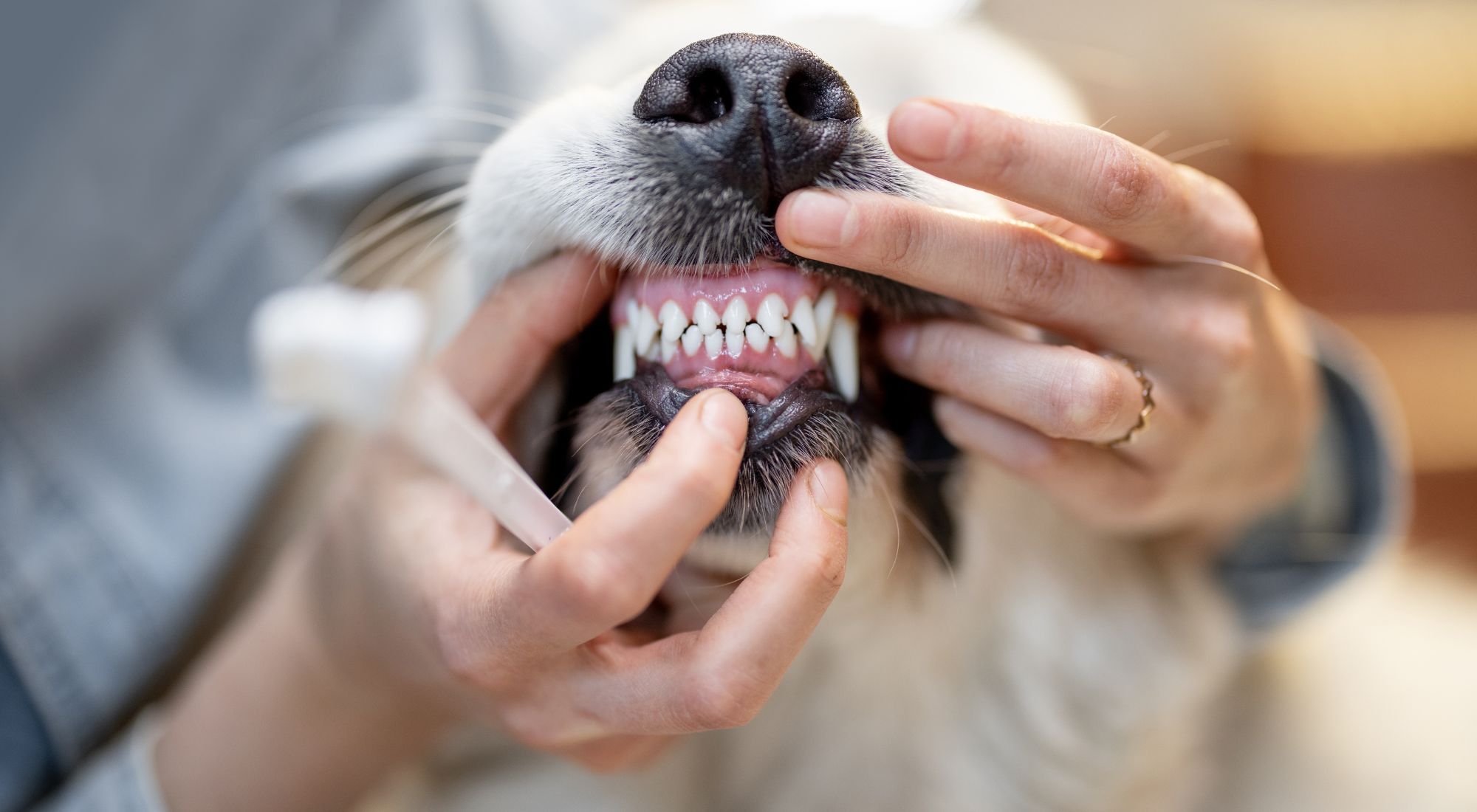
Dental disease is one of the most common medical conditions affecting dogs and cats, with 80% of pets showing signs by three years of age. Because pets often hide dental pain, problems can go unnoticed until they become more serious. Early dental care helps prevent infection, tooth loss, and other health complications, supporting your pet’s comfort and overall wellbeing.
Why Dental Care Is Essential for Pets
Dental disease affects many dogs and cats and often progresses without obvious signs until significant damage has occurred. Regular dental assessments, preventative care, and professional treatment can help reduce pain, prevent infection, improve comfort, and support your pet’s overall health throughout every stage of life.
Frequently Asked Questions
Find answers to common questions about dental cleanings, dental disease, extractions, and oral health care for pets.
How often should my pet have a professional dental assessment?
Even if you're a champion tooth brusher (and your pet actually lets you!), most dogs and cats will still need their first professional dental clean by around three years of age. Think of it like taking your car in for a service—you can wash and polish it every weekend, but eventually it still needs a mechanic.
Regular dental assessments help us catch problems early, keeping your pet's mouth healthy, their breath fresher, and ensuring those kisses are remembered for the right reasons!
What are the signs of dental disease in pets?
Why are dental radiographs important during dental procedures?
Will my pet need a tooth extraction?
At Albury Animal Hospital, all Stage 1 Dental Procedures are diagnostic only. This includes a professional scale and polish, along with comprehensive dental X-rays to assess the health of every tooth, including the areas hidden beneath the gumline. No extractions are performed during Stage 1.
Once we've completed this thorough assessment, we'll discuss our findings with you and prepare a personalised treatment plan. If any teeth need to be removed due to periodontal disease, fractures, infection or other dental problems, your pet will be booked for a Stage 2 Dental Procedure, usually within 2–4 weeks.
This two-stage approach allows us to accurately diagnose your pet's dental disease, plan any extractions carefully, and ensure the appropriate surgical time and equipment are available to provide the highest standard of care.
What is staged dentistry?
What to Expect During Your Pet’s Dental Procedure
Stage 1 Dentistry – Teeth cleaning and assessment:
Your pet’s comprehensive dental assessment and diagnostic procedure.
Under a general anaesthetic, we perform a professional scale and polish, complete full-mouth dental X-rays, and thoroughly examine every tooth above and below the gumline. This allows us to accurately diagnose dental disease and determine whether any additional treatment is required. No extractions are performed during Stage 1, giving you a clear understanding of your pet’s dental health before any further treatment is recommended.
If dental disease requiring treatment is identified, your pet will return for Stage 2 Dentistry, usually within 2–4 weeks. This procedure is dedicated to any necessary tooth extractions or advanced dental treatment, allowing our team to carefully plan the procedure, allocate the appropriate surgical time, and provide the safest, highest standard of care for your pet.
Advanced Dentistry for Healthier Smiles
Comprehensive oral care supported by modern diagnostic technology

Dental Radiographs
Digital dental imaging helps detect hidden disease below the gumline and supports more accurate diagnosis and treatment planning.

Staged Dentistry
Our structured treatment approach provides tailored dental care while prioritising patient comfort, safety, and long-term oral health outcomes.